Wie is de man met het grijze haar die Botticelli op 2 van zijn werken afgebeeld heeft?
Wie is de man met het grijze haar die Botticelli op 2 van zijn werken afgebeeld heeft?
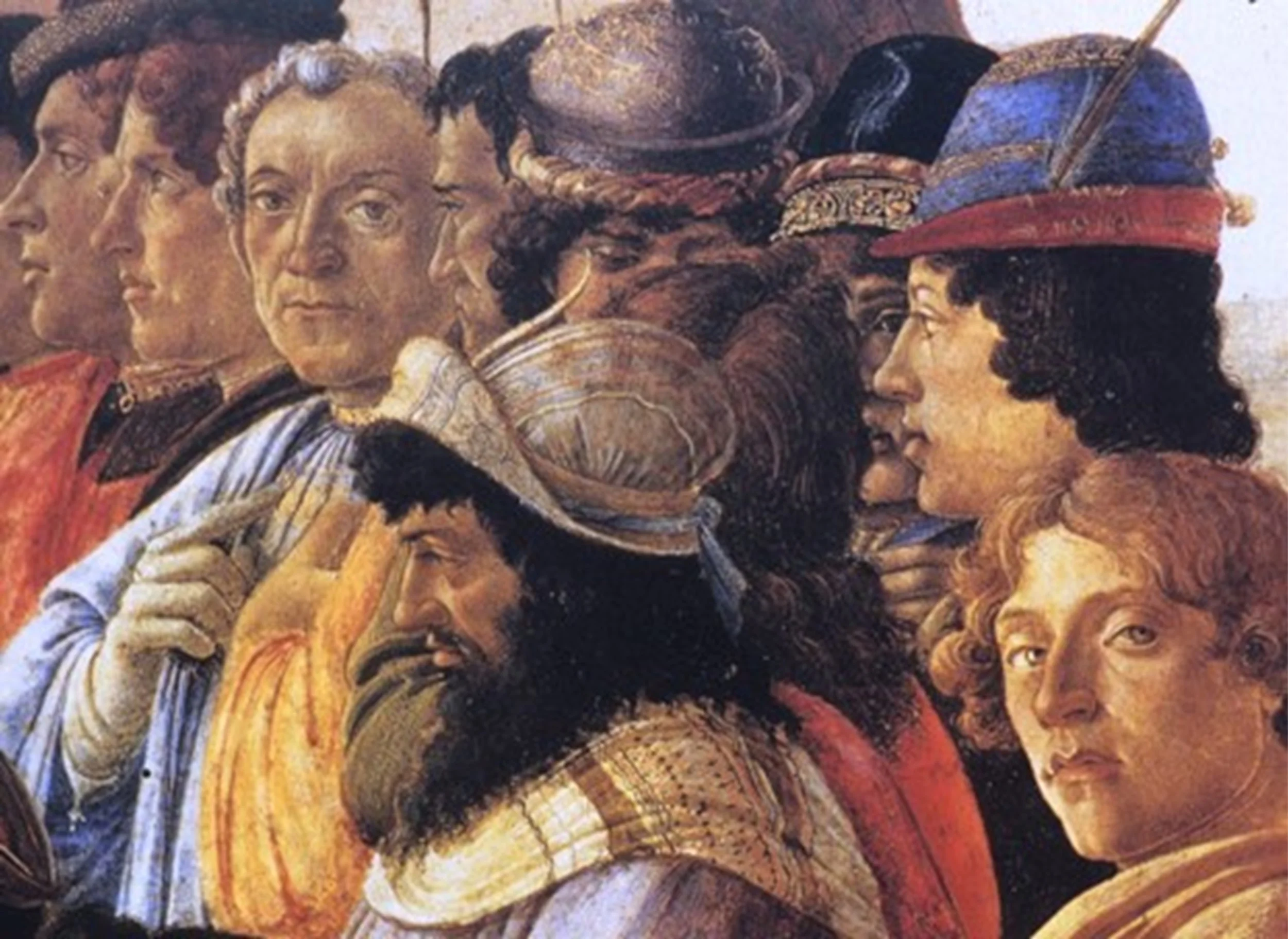
Fig.1 Adorazione dei Magi (Uffizi, 1475-78)
Als men Botticelli’s Adorazione dei Magi (altaarstuk uit de Uffizi) vergelijkt met zijn Tentazioni di Cristo (fresco uit de Sixtijnse kapel) en daarbij een aantal personages tracht te identificeren stelt men vast dat er op beide werken een man op leeftijd met grijs haar aanwezig is, die de aandacht van de kijker vraagt. De gelijkenis tussen de 2 figuren op de 2 schilderijen is bijzonder frappant (leeftijd, haar, neus, mond) en het is dus zeer goed mogelijk dat het hier om één persoon en dezelfde gaat (zie fig. 1 & 2).
Het zou kunnen dat er sprake is van een type van een 50-plusser, maar de kans is zeer groot dat het een bestaand persoon was.
Op de Aanbidding is hij in het lichtblauw gekleed en op de Verzoekingen verschijnt hij in het lichtpaars.
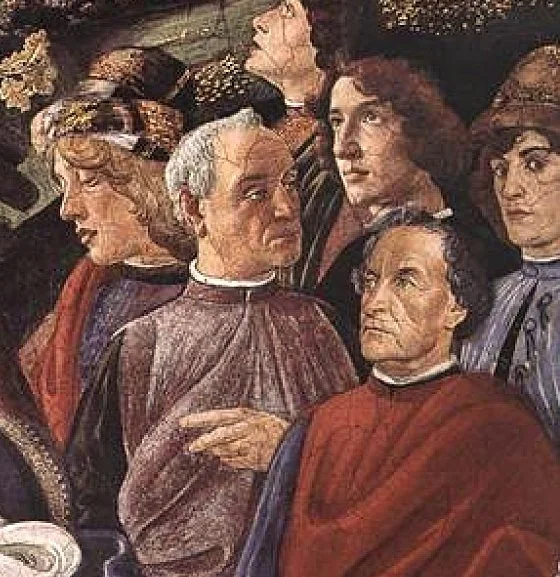
Fig.2 Tentazioni di Cristo (Sixtijnse kapel, 1481).
De man zou dan eventueel kunnen geïdentificeerd worden als
1) de opdrachtgever van de werken
2) een collega, leermeester, mentor of goede
vriend van Botticelli
3) een familielid van de kunstenaar
1.Was hij de opdrachtgever?
Wat de eerste mogelijkheid betreft is er de nog steeds algemeen aanvaarde mening dat in de Adorazione de grijzende man Guasparre del Lama is, de man die de opdracht gegeven heeft voor het altaarstuk. Hij kijkt naar de toeschouwer en wijst naar zichzelf als donor of naar één van de figuren achter hem. Aan zijn identiteit wordt echter nog altijd sterk getwijfeld.
Aangezien het Romeinse fresco geschilderd is in 1481/82, en dus, zoals algemeen aanvaard, dateert van latere datum dan het altaarstuk uit de Uffizi (1), kan de man met het grijze haar moeilijk del Lama zijn want die had in Rome niets te zoeken, zeker niet als opdrachtgever want dat was paus Sixtus IV. Bovendien was Guasparre reeds gestorven in april 1481 en waarom zou Botticelli trouwens een frauduleuze bankier uit Firenze in 1481 nog op een fresco in Rome plaatsen? (zie art. Waarom er nog steeds geen eensgezindheid is over de datering van Botticelli’s Adorazione).
Als de man op het Romeinse fresco niet del Lama kan zijn, moet wellicht ook zijn identificatie op de Adorazione herzien worden. Enkel indien beide mannen niet één en dezelfde persoon zouden zijn is het eventueel mogelijk dat del Lama op de Aanbidding wordt afgebeeld.
2.Was hij een collega, leermeester of mentor van Sandro?
Op beide werken bevindt de man zich tussen een groepje kunstenaars en hij zal dus ongetwijfeld een band gehad hebben met de artistieke wereld in het algemeen en met Sandro in het bijzonder.
Op de Adorazione wijst hij misschien niet naar zichzelf, maar naar één van de schilders die achter hem staan. Volgens de gangbare theorie is de man met het okergele kleed Botticelli zelf, maar ook daar wordt sterk aan getwijfeld (2). Het is zeer goed mogelijk dat Botticelli er zelf niet eens bij staat want hij had blijkbaar niet die gewoonte (zie art. Heeft Botticelli een zelfportret geschilderd op zijn Adorazione dei Magi?).
Op het fresco in de Sixtijnse kapel richt de grijze man zich tot de kunstenaar met de gevederde hoed, die als enige op het fresco de toeschouwer aankijkt, wat er kan op wijzen dat hij de auteur is. Ook qua leeftijd kan de man met de hoed en pluim vereenzelvigd worden met Sandro die in 1481 ca. 36 jaar oud was, maar als men men er van uit gaat dat Botticelli door Filippino Lippi geportretteerd is op de fresco’s van de Brancaccikapel uit 1485 (zie art. Het ware gelaat van Sandro Botticelli) is er geen gelijkenis met de man met de hoed uit de Sixtijnse kapel te ontdekken.
Bernard Gallagher beweert dan ook dat het Luca Signorelli is, de schilder die in 1482 naar Rome gekomen was om het werk aan de fresco’s na het vertrek van Botticelli en Perugino verder te zetten. Maar die man lijkt dan weer niet op het zelfportret van Signorelli in de dom van Orvieto (zie art. Luca Signorelli en de fresco’s in Orvieto)
Gallagher suggereert dat de man met het grijze haar op de Adorazione Andrea del Verrocchio (de leermeester van Leonardo da Vinci) zou kunnen zijn, in wiens atelier ook Sandro Botticelli (van 1470 tot 1472) werkzaam was. In dat geval kan Andrea naar zichzelf wijzen, niet als opdrachtgever, maar als de mentor van Botticelli.
Logischerwijze zou Verrocchio (1435-88) bijgevolg dan ook de man moeten zijn op de Verzoekingen van Christus die contact zoekt met de kunstenaar met de hoed en naar het tafereel wijst (zie fig.2). Maar Andrea was in 1475 nog maar 40 en in 1482 nog maar 47 jaar oud en de man die Sandro gepenseeld heeft ziet er met zijn grijze haren toch al een stuk ouder uit. Het is echter best mogelijk dat Botticelli zijn mentor met grijze haren heeft afgebeeld omdat hij veel respect voor hem had en hij hem een waardig uitzicht wilde geven (“grijs is wijs”)
Verrocchio behoorde ook niet direct tot de groep van kunstenaars die in Rome in 1481 werkzaam was, maar dat zou dan Sandro blijkbaar toch niet belet hebben om hem hulde te brengen.
Botticelli’s eerste leermeester Fra Filippo Lippi is 63 geworden, maar die geleek in de verste verte niet op de man met de grijze haren (zie art. Filippo Lippi en Lucrezia Buti of het verhaal van de frater en de non).
3.Was hij een familielid van Sandro?
Misschien wilde Sandro een eerbetoon brengen aan zijn vader met wie hij een goede relatie gehad heeft. Men veronderstelt dat toen Mariano overleed in februari 1482, Sandro meteen uit Rome naar Firenze teruggekeerd is en dientengevolge de verlenging van zijn contract met de paus heeft afgezegd. Ook van andere renaissance kunstenaars zoals Leonardo da Vinci, Rafael en Filippino Lippi is bekend dat zij hun vader op hun werken afgebeeld hebben. Maar Mariano di Vanni Filipepi was volgens de catasto van 1458 geboren omstreeks 1400 en dus al in de 80 toen het Romeinse fresco gepenseeld werd (3). Dat zijn zoon hem jonger zou afgebeeld hebben dan hij in feite was, is dan wishful thinking.
Aangezien Sandro’s oudere broer Antonio, die goudsmid was, hem geholpen heeft bij zijn artistieke ontplooiing en hem gelanceerd heeft in de Florentijnse kunstwereld, zou hij misschien de grijzende man kunnen zijn, ware het niet dat Antonio in 1475 nog maar 45 jaar was. Hij kan natuurlijk ook vroeg grijs geworden zijn, maar bij gebrek aan enige andere betrouwbare afbeelding van Antonio blijft die identificatie toch zeer twijfelachtig (4).
Misschien heeft Sandro zijn oudste broer Giovanni afgebeeld, die geboren is in 1420/21 en dus qua leeftijd in de jaren dat de werken geschilderd werden einde 50, begin 60 geweest is.
Giovanni was als sensale del Monte (een makelaar werkzaam voor de Staatsbank) actief in de financiële wereld en een openbaar figuur. Het kan ook zijn dat hij bedrijvig was in de wijnhandel en dat hij het was die de bijnaam il botticello (het vaatje) gekregen heeft van zijn medeburgers. Dat hoeft echter niet te betekenen dat hij een corpulente wijndrinker geweest is (5).
In de 70-ger jaren werd Sandro nog Sandro di botticello genoemd, maar in de jaren 80 werd hij in documenten (betalingen) steeds als Sandro Botticelli vermeld. Vasari is die naam consequent blijven gebruiken.
Maike Vogt is van mening dat de man met het grijze haar Sandro zelf is op ca. 50-jarige leeftijd. Er zou dus toch een zelfportret op de Adorazione te zien zijn, maar niet datgene dat meestal als zodanig beschouwd wordt. Dat kan echter alleen maar wanneer men haar bewering aanvaardt dat het werk veel later geschilderd of herwerkt is (beginjaren 90?) en in dat geval is er zeker ook geen gelijkenis te bespeuren met zijn portret dat Filippino Lippi geschilderd heeft in de Brancaccikapel (zie art. Het ware gelaat van Sandro Botticelli).
Besluit:
Er is zeer veel voor te zeggen dat de man met de grijze haren op de 2 werken van Botticelli één en dezelfde persoon is. Dat het Guasparre del Lama of Sandro zelf zouden zijn is dan weinig waarschijnlijk, maar dat het een familielid (zijn broer Giovanni?) zou kunnen zijn of zijn leermeester Andrea del Verrocchio is best aanvaardbaar.
(1) Wanneer de Adorazione na het fresco met de “Verzoekingen” zou geschilderd zijn, dus na 1481 (wat sommige auteurs beweren), is het uitgesloten dat de man del Lama zou zijn.
(2) Volgens Maike Vogt-Lüerssen was de opdrachtgever Pierfrancesco de’ Medici die dan als de man met het okergele kleed op de Adorazione staat afgebeeld.
Vele auteurs baseren zich op de “Vite” van Vasari om te beweren dat Botticelli zichzelf als de figuur met het okergele kleed op de Adorazione zou gepenseeld hebben, maar dat is nergens expliciet in zijn tekst te lezen.
(3) Mariano, die een bemiddeld lederbewerker/handelaar geweest is, ligt begraven in het familiegraf van de Filipepi in de kerk van Ognissanti, waar ook Sandro in 1510 is bijgezet.
(4) Van Antonio wordt soms ook (verkeerdelijk?) gezegd dat hij de Jonge man met de medaille van Cosimo il Vecchio zou zijn.
(5) Een andere verklaring is dat zijn broer Antonio, de goudsmid, “battigello” genoemd werd (een ambachtsman die met een hamer slaat) en dat zou dan “botticello” geworden zijn.
JVL
Who is the man with the grey hair in 2 of Botticelli’s paintings?
By comparing Botticelli's Adorazione dei Magi (Uffizi altarpiece) and his Tentazioni di Cristo (Sistine Chapel fresco) an older man with grey hair stands out of the scene. His gaze and his posture are demanding the attention of the viewer and he is more than a simple bystander.
The resemblance between the 2 figures in the 2 paintings is particularly striking (age, hair, nose, mouth) and it is therefore very likely that he is one and the same person (see figs. 1 & 2). It may be the image of a generic older man, but it is quite possible that he was a real person.
At the Adoration, he is dressed in light blue, while at the Temptations, he appears in a light purple robe.
The man could possibly be identified as
1. the client of the works
2. a colleague, mentor, mentor or close friend of Botticelli
3. a relative of the artist
1. Was he the client?
It is still a tradition that the elder is identified as Guasparre del Lama, the banker who commissioned the altarpiece. One thinks that he is pointing to himself (as donor) or at one of the persons behind him. However his identity can be seriously questioned.
Since the Roman fresco was painted in 1481/82, and therefore, as is generally accepted, dates from a later date than the altarpiece from the Uffizi (1), the man with the grey hair can hardly be del Lama, because he had no business in Rome, certainly not as a commissioner, because that was Pope Sixtus IV. Moreover, Guasparre had already died in April 1481 and why would Botticelli place a fraudulent banker from Florence on a fresco in Rome in 1481? (see art. Why the dating of Botticelli’s Adorazione dei Magi is still so controversial )
But if the man in the Roman fresco cannot be del Lama, his identification on the Adorazione should also be revised. Only if both men would not be one and the same person is it acceptable that del Lama is present in the Adoration.
2. Was he a colleague, teacher or mentor of Sandro?
In both works, the man stands in the middle of a group of artists which might suggest that he is familiar with the artistic world and that he knows Sandro Botticelli in particular.
In the Adorazione he may not be pointing at himself, but at one of the painters posted behind him. According to the prevailing theory, it is said that the man with the ochre yellow dress is Botticelli himself, but there are also strong doubts about this (2). It is not even certain that Botticelli is depicted in the painting (see art. Did Botticelli paint a self-portrait on his Adorazione dei Magi?).
In the fresco in the Sistine Chapel, the elderly man is turning to the artist with the feathered hat. He is the only one in the fresco looking at the viewer, which may indicate that he is the author. Considering his age, the man with the hat and plume can be identified with Sandro, who was about 36 years old in 1481, but if one accepts that Botticelli was portrayed by Filippino Lippi in the frescoes of the Brancacci Chapel from 1485 (see art. The true face of Sandro Botticelli) there is no resemblance to the man with the hat from the Sistine Chapel.
Bernard Gallagher therefore claims that it is Luca Signorelli, the painter who had come to Rome in 1482 to continue the work on the frescoes after the departure of Botticelli and Perugino. But that man does not resemble the self-portrait of Signorelli in the cathedral of Orvieto (see art. Luca Signorelli and the frescoes in Orvieto)
Gallagher suggests that the man with the grey hair in the Adorazione could be Andrea del Verrocchio (Leonardo da Vinci's teacher), in whose studio Sandro Botticelli was present from 1470 to 1472). In that case, Andrea is pointing to himself, not as a client, but as Botticelli's mentor.
Consequently Verrocchio (1435-88) should therefore also be the man in the Temptations of Christ who seeks contact with the artist in the hat and points to the scene (see fig.2).But Andrea was only 40 years old in 1475 and only 47 years old in 1482 and the depicted man looks a lot older with his grey hair. However, it is quite possible that Botticelli painted his mentor with grey hair because he had a lot of respect for him and he wanted to give him a dignified appearance ("a grey man is a wise man").
Verrocchio was no part of the group of artists who were active in Rome in 1481, but that apparently could not prevent Sandro from paying homage to him.
Botticelli's first teacher Fra Filippo Lippi was 63 years old at the time, but he did not resemble the man with the grey hair in the slightest (see art. Filippo Lippi and Lucrezia Buti or the story of the brother and the nun).
3. Was he a relative of Sandro?
Perhaps Sandro wanted to pay tribute to his father with whom he lived in good terms. It is assumed that when Mariano died in February 1482, Sandro immediately returned from Rome to Florence and consequently cancelled the renewal of his contract with the pope. Other Renaissance artists such as Leonardo da Vinci, Raphael and Filippino Lippi are also known to have depicted their father in some of their works.
But Mariano di Vanni Filipepi was born around 1400 according to the catasto of 1458 and therefore already in his 80s when the Roman fresco was painted (3). That his son would have depicted him younger than he actually was, is probably wishful thinking.
Since Sandro's older brother, the goldsmith Antonio, supported him with his entry in the Florentine art world, he might have been the man in question, but Antonio was only 45 years old in 1475. He may have turned grey at a young age of course, but in the absence of any other reliable portrait of Antonio, his identification remains very doubtful (4).
Sandro may have depicted his eldest brother Giovanni, who was born in 1420/21 and was therefore in his late 50s or early 60s when the works were painted.
Giovanni was active in the financial world as a sensale del Monte (a broker working for the State Bank) and a public figure. It is also possible that he was active in the wine trade and therefore nicknamed il botticello (the barrel) by his fellow citizens. However, that does not necessarily mean that he was a corpulent wine drinker (5).
In the 1470s, Sandro was still called Sandro di botticello , but in the 1480s he was always mentioned in documents (payments) as Sandro Botticelli. Vasari continued to use that name consistently.
Maike Vogt believes that the man with the grey hair is Sandro himself at about 50 years of age. So there would be a self-portrait on the Adorazione after all, but not the one that is usually considered as such. However, this is only possible if one accepts her theory that the work was painted or reworked much later (early 90s?) and in that case there is certainly no resemblance to his portrait that Filippino Lippi painted in the Brancacci Chapel (see art. The true face of Sandro Botticelli).
Conclusion:
There is a lot to be said for the belief that the man with the grey hair in Botticelli's 2 works is one and the same person. That it would be Guasparre del Lama or Sandro himself is unlikely, but that it could be a family member (his brother Giovanni?) or his teacher Andrea del Verrocchio is quite acceptable.
(1) When the Adorazione would have been painted after the fresco with the "Temptations", i.e. after 1481 (as some authors claim), it is impossible that the man would be del Lama.
(2) According to Maike Vogt-Lüerssen, the commissioner was Pierfrancesco de' Medici, who is then depicted as the man with the ochre yellow dress on the Adorazione.
Many authors rely on Vasari's "Vite" to claim that Botticelli would have pictured himself as the man with the ochre yellow robe on the Adorazione, but that is nowhere to be read in his text.
(3) Mariano, who was a wealthy leather worker/trader, is buried in the family tomb of the Filipepi in the church of Ognissanti, where Sandro joined him in 1510.
(4) Antonio is sometimes (wrongly?) said to be the Young Man with the medal of Cosimo il Vecchio.
(5) Another explanation is that his brother Antonio, the goldsmith, was called "battigello" (a craftsman who hits with a hammer) which then became "botticello".
Literatuur:
Deimling, B Sandro Botticelli (Taschen). Keulen,
Gallagher, B. Sandro Botticelli | C A T C H L I G H T
Parenti, D. Adoration of the Magi by Sandro Botticelli
Pfeiffer, H. La Sistina svellata. Milaan, 2007.
Renzi, C. Chi non punisce il male...(About Artonline, 2018).
Rossi, S. La Sistina ri-svellata? Acta Artis, nr.1, 2014.
Van Laerhoven J. Florentijnse wandelingen, dl. III (Botticelli). Kermt, 2021².
zie art. Botticelli’s al of niet verborgen boodschappen in de Sixtijnse kapel.
zie art. Heeft Botticelli een zelfportret geschilderd op zijn Adorazione dei
Magi?
zie art. Het ware gelaat van Sandro Botticelli.
zie art. Filippo Lippi en Lucrezia Buti of het verhaal van de frater en de non).
zie art. Luca Signorelli en de fresco’s in Orvieto.
zie art. Waarom er nog altijd geen eensgezindheid is over de
datering van Botticelli’s Adorazione dei Magi.
zie art. Wie is Botticelli’s jonge man met de medaille van Cosimo il Vecchio?
Vogt-Lüerssen, M. Sandro Botticelli – kleio.org