Het ware gelaat van Sandro Botticelli
Het ware gelaat van Sandro Botticelli
Algemeen wordt aangenomen dat Sandro Botticelli een zelfportret achtergelaten heeft op zijn “Adorazione dei Magi” (zie art. Waarom er nog altijd geen eensgezindheid is over de datering van Botticelli’s Adorazione dei Magi). Wie deze mening niet deelt kan dus best op zoek gaan naar andere mogelijke identificaties. In dat verband kan de beschrijving van het leven van Filippino Lippi in Vasari’s “Vite de' Più Eccellenti Pittori, Scultori, e Architettori” ongetwijfeld een goede aanzet zijn.
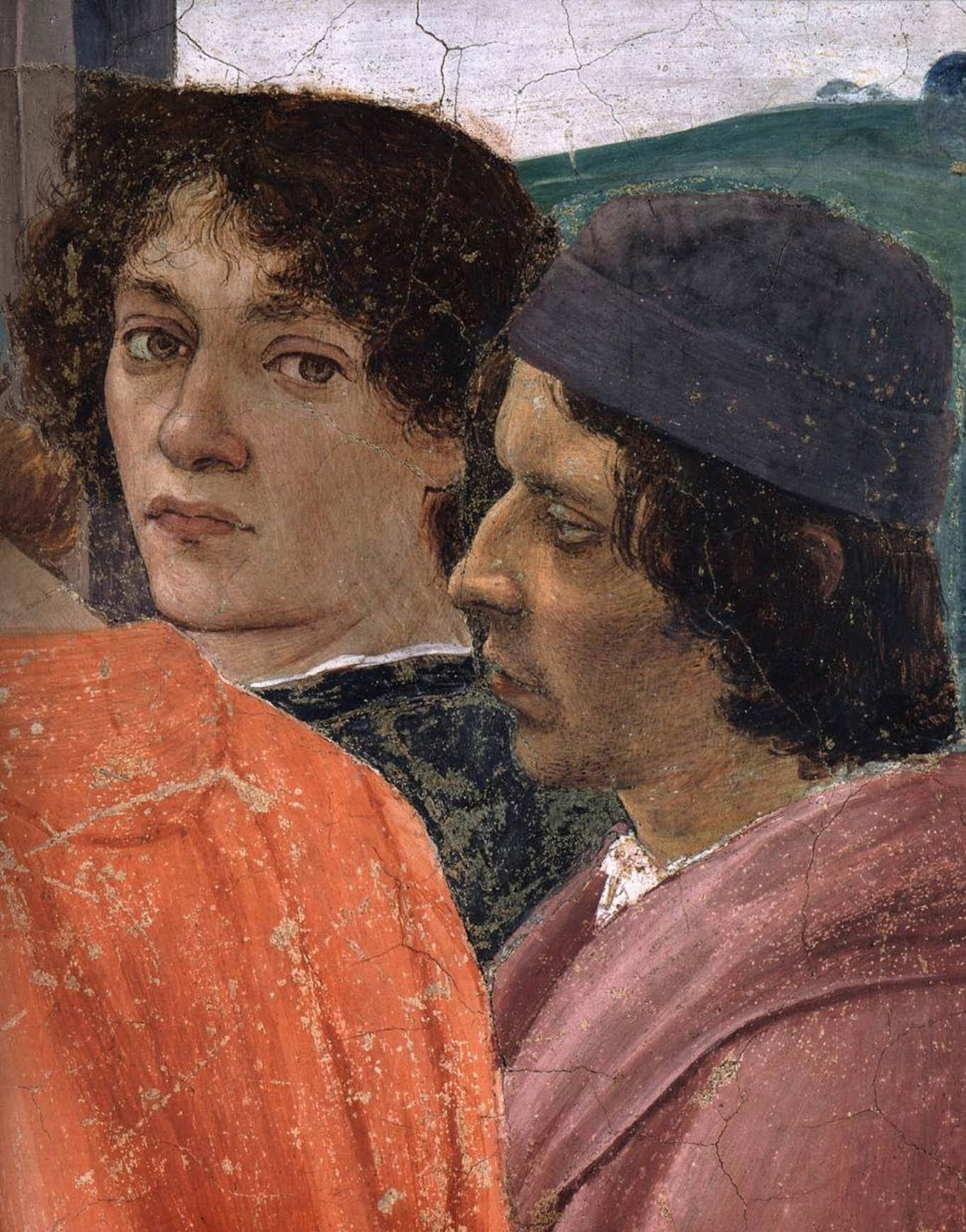
Fig. 1 Detail uit de Kruisiging van Petrus (Filippino Lippi, Cappella Brancacci, Firenze).
Volgens Vasari is Botticelli door zijn leerling Filippino Lippi afgebeeld op een fresco uit ca.1483/85 in de Cappella Brancacci van de Santa Maria del Carmine op de Oltrarno. Hij schrijft letterlijk in “La vita di Filippo Lippi, detto Filippino” dat Lippi in de scène die volgt op de “Opwekking van de zoon van Theofilus” zijn leermeester Sandro Botticelli heeft afgebeeld, maar hij geeft geen verdere details (zie art. Masaccio’s aanwezigheid in de Cappella Brancacci).
Het bedoelde fresco is samengesteld uit 2 scènes met de “Kruisiging van Petrus” en het “Dispuut met Simon de Magiër” en bevindt zich op de rechtermuur van de kapel.
Sommige auteurs identificeren hem dan als de man die de toeschouwer recht in de ogen kijkt, maar die is toch wel erg jong om Sandro te kunnen zijn die toen bijna 40 was (zie fig.1)
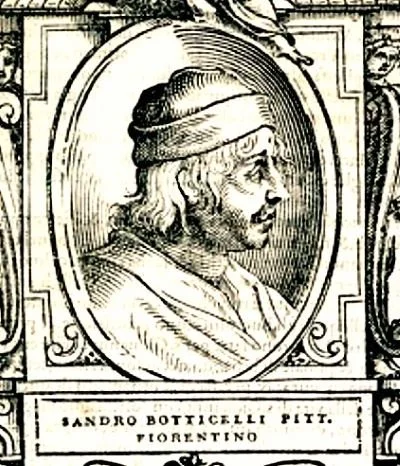
Fig.2 La Vita di Sandro Boticelli (Vasari, 1568 Giunti Firenze)
Wellicht verwees Vasari echter naar de man met de typische muts (de berretto die kan duiden op zijn erkend kunstenaarschap) die naast de jonge man staat. Hij is in profiel geschilderd (hij is immers niet de auteur van het fresco) en gelijkt zeer sterk op het portret dat in zijn “Vita di Sandro Botticelli” toegevoegd is (zie fig.2).
In de editie van 1568 (3 volumes) zijn de “Vite” van Vasari geïllustreerd met 144 medaillonportretten van de besproken kunstenaars. Cristofano Coriolano en andere graveurs hadden gezorgd voor de houtsneden die zij gemaakt hadden naar tekeningen en/of aanwijzingen van Vasari zelf. Voor het portret van Botticelli verkoos hij dan blijkbaar de afbeelding van de man op het fresco van Lippi, dat hij ongetwijfeld gezien had en waarvan hij dacht (of wist) dat Sandro er bij stond.
Cosimo Colombini heeft die gravure overgenomen in volume 2 van zijn Serie degli uomini i più illustri… (zie fig.3). Men kan zich afvragen waarom Vasari geen houtsnede had laten maken voor zijn “Vite” met de afbeelding van de man in het okergeel op de “Adorazione” (die toen in de kapel van Guasparre del Lama in de Santa Maria Novella stond), en toch door veel critici met Botticelli vereenzelvigd wordt. Indien Sandro de man in het okergeel geweest was, had Vasari dat ongetwijfeld vermeld (zie art. Heeft Botticelli een zelfportret geschilderd op zijn Adorazione dei Magi?).
De man met de okergele mantel kijkt naar de toeschouwer, maar dat kon ook de opdrachtgever of de initiatiefnemer van het altaarstuk doen en bovendien draagt hij geen berretto, het typische hoofddeksel van de renaissance schilder. Zijn mantel met versieringen in gouddraad en de manier waarop hij zich presenteert op het schilderij zijn helemaal niet gebruikelijk voor een kunstenaar uit die tijd (zie fig.5). Als die er überhaupt wilde bijstaan plaatste hij zich meestal onopvallend in een hoekje van het werk.
Vasari vermeldt geen opdrachtgever en jaartal en zegt alleen maar dat er een aantal leden van de Medici-familie op afgebeeld zijn, dat het altaarstuk voor de kerk van Santa Maria Novella bestemd was en dat het werk Botticelli grote faam bezorgd had.
Giorgio Vasari (1511-74) was nog net niet geboren toen Botticelli gestorven is, hij heeft hem dus nooit zelf ontmoet, maar wellicht heeft hij met mensen gesproken die hem gekend hebben. Hij noemt hem een groot kunstenaar en beschrijft hem verder als iemand die altijd sjofel gekleed was en het op het einde van zijn leven niet breed had en met 2 krukken rondliep.
Als Sandro de man met de muts is, blijft de vraag wie dan de jonge man is die de toeschouwer aankijkt. Het zou volgens sommigen een zelfportret van Lippi kunnen zijn, maar dat staat volgens de meeste auteurs al uiterst rechts op het fresco met het “Dispuut met Simon de Magiër” (zie fig.4). Dat hij zich dan 2 maal zou afbeelden op hetzelfde tafereel zou toch wel erg ongewoon zijn. Filippino draagt trouwens dezelfde berretto als zijn vroegere leermeester.
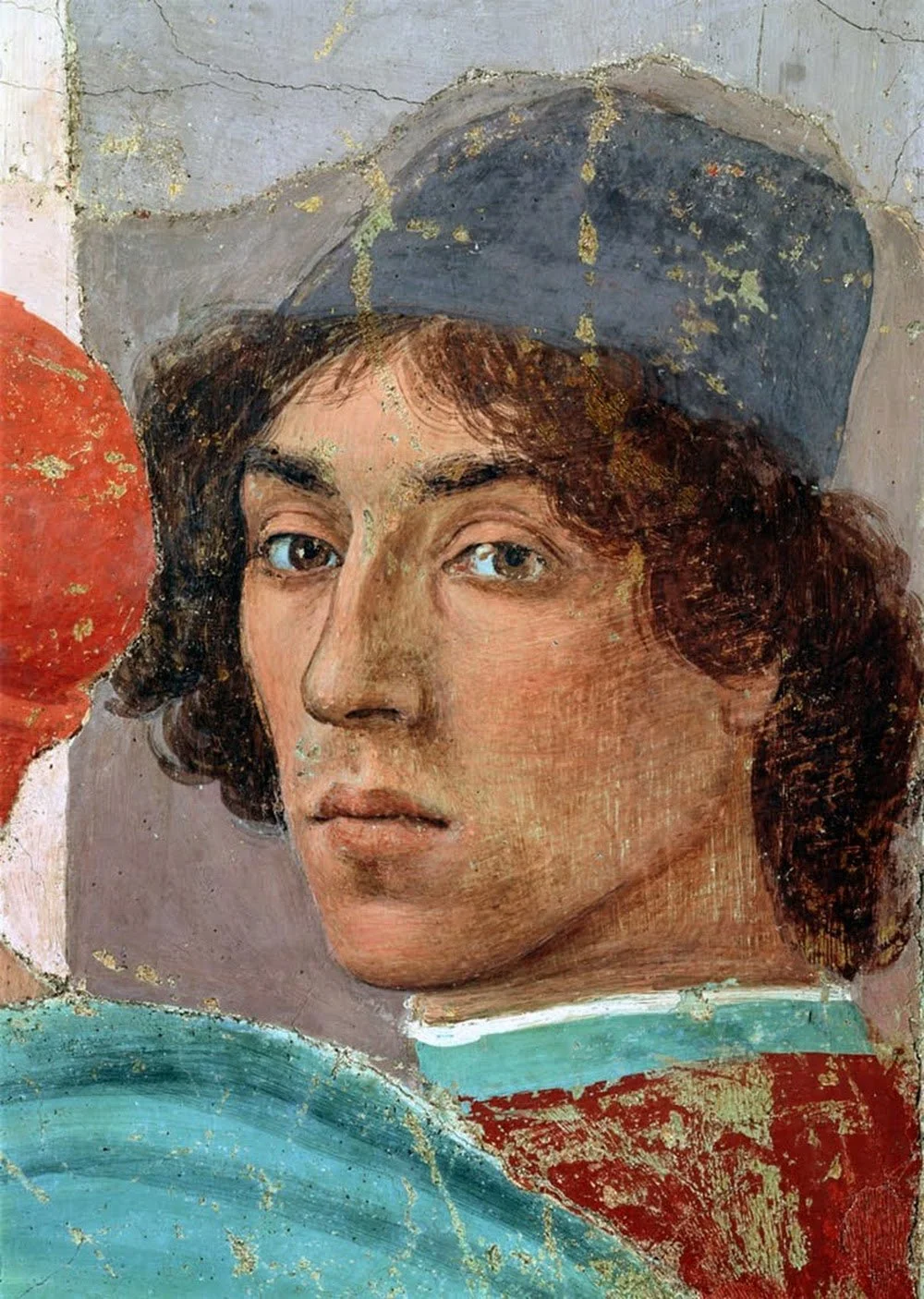
Fig.4 Filippino Lippi (zelfportret op het Dispuut met Simon de Magiër).
Eén van Filippino Lippi’s leerlingen was Raffaellino del Garbo (1466-1524) die in de jaren 80, toen nog een tiener, in de leer gegaan was bij Filippino en zeer waarschijnlijk meegewerkt heeft aan de fresco’s van de Brancacci-kapel. Het is dus zeer goed mogelijk dat Lippi zijn leerling Raffaellino (zonder muts vanwege zijn jonge leeftijd en nog geen meester zijnde) geportretteerd heeft naast zijn eigen meester Botticelli op het fresco met de “Kruisiging van Petrus”. Op die manier waren er 3 generaties van leermeesters en leerlingen op de rechterwand van de kapel verenigd (Botticelli, Lippi en del Garbo).
Het portret van Raffaellino (met muts) in de “Vite” is gebaseerd op een schilderij van één van zijn leerlingen, Bastiano da Monte Carlo.
Besluit:
Er bestaat geen zekerheid over de identificatie van Botticelli op het fresco van Lippi in de Brancacci-kapel, maar die zekerheid is er ook niet in verband met het zogenaamde zelfportret op de “Adorazione dei Magi”, dat al jaren (maar niet door iedereen) beschouwd wordt als een afbeelding van de grote kunstenaar. Wellicht is Sandro’s “ware gelaat” te vinden in de fresco’s van de Brancacci kapel, maar dan niet als de jonge knaap die naar de toeschouwer kijkt, maar als de man van ca.40 met de berretto naast hem.
JVL
The true face of Sandro Botticelli
It is generally assumed that Sandro Botticelli has left his self-portrait on his “ Adorazione dei Magi” (see art. Why there is still no agreement about the date of Botticelli’s Adoration of the Magi). If one does not share this opinion one should look for other possible identifications. In that case the description of the life of Filippino Lippi in Vasari’s “Vite de' Più Eccellenti Pittori, Scultori, e Architettori” can be an excellent start.
According to Vasari, Botticelli was depicted by his pupil Filippino Lippi in a fresco from ca. 1483/85 in the Cappella Brancacci of the Santa Maria del Carmine on the Oltrarno. He literally writes (in “La Vita di Filippo Lippi, detto Filippino”) that Lippi has painted his master Sandro Botticelli in the scene following the "Raising of the Son of Theophilus", but he does not give any further details (see art. Masaccio's presence in the Cappella Brancacci). The intended fresco is composed of 2 scenes, the "Crucifixion of Peter" and the "Dispute with Simon the Magician", and can be found on the right wall of the chapel.
Some authors then identify him as the man looking the viewer straight in the eye, but this character is much too young to be Sandro, who was almost 40 at the time (see fig.1).
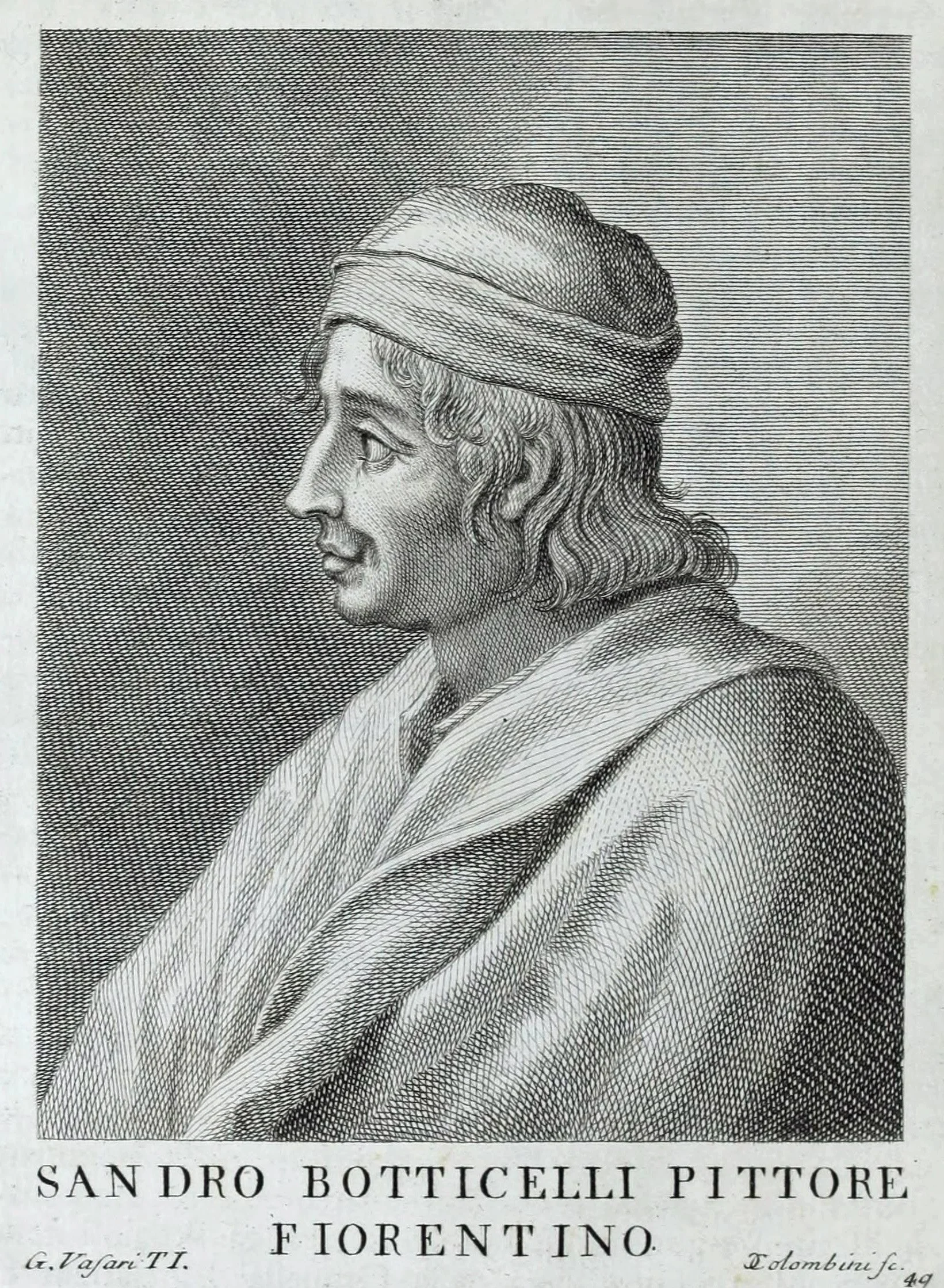
Fig.3 Coll. Colombini (Firenze 1769-75)
But perhaps Vasari was referring to the man with the typical cap (the berretto indicating that he was a recognized artist) standing next to the youngster. He is painted in profile (for he is not the author of the fresco) and resembles very closely the portrait in the "Vita di Sandro Botticelli" (see fig.2).
The 1568 edition of Vasari’s “Vite” (3 volumes) is illustrated with 144 medallion portraits of the described artists. Cristofano Coriolano and other engravers had made the woodcuts after drawings and/or instructions by Vasari himself. For the portrait of Botticelli, he apparently preferred the image of the man in the fresco by Lippi, which he had undoubtedly seen and of which he thought (or knew) that Sandro was present in it. Cosimo Colombini has reproduced this engraving in volume 2 of his Serie degli uomini I più illustri…(see fig.3).
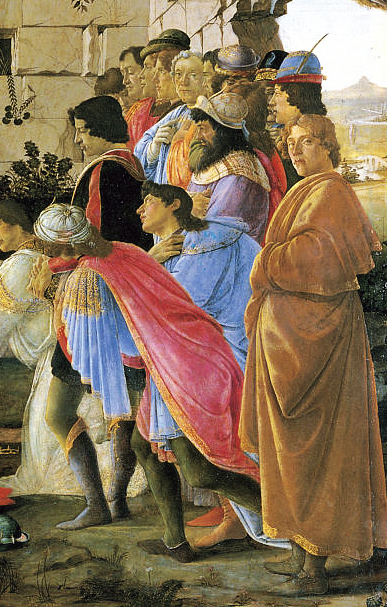
Fig.5 Adorazione dei Magi with a so-called self-portrait Botticelli ?
One may wonder why Vasari did not have a woodcut made for his “Vite” with the image of the man in the ochre yellow cloak on the “Adoration of the Magi” (which then stood in the chapel of Guasparre del Lama in the Santa Maria Novella) who is generally identified with Botticelli. If Sandro had been the man in ochre yellow, Vasari would undoubtedly have mentioned it (see art. Did Botticelli painted a self-portrait in his Adorazione dei Magi?).
The man in the ochre yellow robe is looking at the spectator but that could also mean that he was the client or the initiator of the altar piece and he is not wearing a berretto, the typical hat or a cap of the renaissance painter. His cloak with decorations in gold thread and the way he presents himself in the scene are by no means common for an artist of the time (see fig.5). If he wanted to be present at all he usually placed himself inconspicuously in a corner of the painting.
Vasari did not give any details on the patron and the date of the painting, but only mentioned the presence of a number of members of the Medici family, that the altarpiece was intended for the church of Santa Maria Novella and that it had brought Botticelli great fame.
Since Giorgio Vasari (1511-74) was not born yet when Botticelli died, he never met him but he may have spoken to people who actually knew him. He describes Sandro as a great artist but also as man who was always shabbily dressed, living in poverty and walking around with 2 crutches when he was an elderly man.
If Sandro could be the man with the cap, the question remains who then might be the young man looking at the viewer. Some say that it is Lippi himself, but according to others his self-portrait is already visible on the far right in the "Dispute with Simon the Magician" (see fig.4). That he would portray himself twice in the same scene would be very unusual. Besides Filippino wears the same berretto as his former teacher…
One of Filippino Lippi's pupils was Raffaellino del Garbo (1466-1524) who had been apprenticed to Filippino in the 80s, when he was still a teenager, and who most likely participated in the making of the frescoes in the Brancacci Chapel. It is therefore quite possible that Lippi portrayed his pupil Raffaellino (without cap because of his young age and not yet being a master) alongside his own master Botticelli in the fresco with the "Crucifixion of Peter". In this way, 3 generations of masters and pupils were united on the right wall of the chapel (Botticelli, Lippi and del Garbo).
The portrait of Raffaellino (with cap) in the Vite is based on a painting by one of his pupils, Bastiano da Monte Carlo.
Conclusion:
There is no certainty about the presence of Botticelli in Lippi's Brancacci-fresco, but there is also no certainty about the so-called self-portrait in the "Adorazione dei Magi", which has been considered for many years (but not by everyone) to be a picture of the great artist. Perhaps Sandro's "true face" can be found in the frescoes of the Brancacci chapel, but not as the young boy gazing at the viewer but as the ca.40 year old man with the berretto next to him.
Literatuur:
Cosmo, G. Filippino Lippi (Art Dossier nr.167). Firenze, 2001.
Deimling, B. Sandro Botticelli (Taschen). Keulen, 1996.
Parlato, E. Lippi, Filippino. In: Dizionario biografico, vol.65 (2005).
Van Laerhoven, J. Florentijnse wandelingen, dl.III (Sandro Botticelli). Kermt, 2021².
Florentijnse wandelingen, dl.VI (Filippino Lippi).
Herk-de-Stad, 2014.
zie art. Heeft Botticelli een zelfportret geschilderd op zijn Adorazione dei Magi?
zie art. Masaccio’s aanwezigheid in de Cappella Brancacci.
zie art. Waarom er nog altijd geen eensgezindheid is over de datering
van Botticelli’s Adorazione dei Magi.
Vasari, G. The lives of the Artists. Aylesbury, 1991.