Girolamo Savonarola en de humanisten van de Studio Fiorentino
Girolamo Savonarola en de humanisten van de Studio Fiorentino
In november 1494 had de dominicaan en boeteprediker Girolamo Savonarola, die sedert enkele jaren de spirituele leider van de stad geworden was, ook de politieke macht in Firenze in handen gekregen, De Medici waren op de vlucht gegaan toen de troepen van de Frans koning Karel VIII Pisa bezet hadden en de Pisanen van de gelegenheid gebruik gemaakt hadden om in opstand te komen.
Er braken dus rampzalige tijden aan voor de Studio Pisano, die in 1473 door Lorenzo de’ Medici nog nieuw leven ingeblazen was en ook de Studio Fiorentino (1) draaide nog slechts op een laag toerental (zie art. Hoe de Studio Fiorentino uitgroeide tot een volwaardige universiteit).
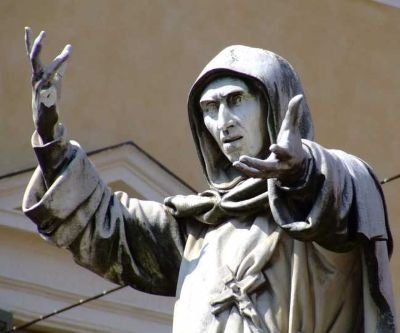
Fig.1 Savonarola (Stefano Galletti, 1875, Ferrara)
Hoewel Savonarola zich in de beginjaren van zijn bewind eerder met de staatsstructuur moest bezig houden is hij niet compleet onverschillig gebleven voor de toestand van de universiteit en was hij, zij het misschien op een indirecte manier, zeker van plan om het Florentijnse onderwijsgebeuren naar zijn hand te zetten (zie fig.1). Dat hij het ganse curriculum van de universiteit meteen liet wijzigen en dat professoren massaal werden ontslagen is onjuist.
Het eerste probleem dat moest aangepakt worden was de lamentabele toestand van de stedelijke (en dus ook van de universitaire) financiën.
Meteen na de machtswissel heeft Savonarola de Ufficiali dello Studio (de beheerders van de universiteit die voor de organisatie van de instelling moesten zorgen) laten vervangen. Het nieuwe comité, dat gekozen was door de Grote Raad en op 10 december 1494 reeds in functie trad, was samengesteld uit 5 notabelen die de frate goed gezind waren; Domenico Bonsi, Giovanni Nesi, Lorenzo Lenzi, Guidantonio Vespucci en Amerigo Corsini. Zij benoemden Antonio di ser Francesco als hun notaris in de plaats van ser Giovanni di Bartolommeo Guidi, die gearresteerd werd wegens zijn nauwe banden met Piero de’ Medici die in november 1494 samen met zijn broers verjaagd was.
De eerste maatregel van de ufficiali bestond er in om in maart 1495 de docenten en studenten (wegens de onveiligheid) uit het opstandige Pisa te laten verhuizen naar Prato waar een soort nood-universiteit werd opgericht met nog 3 faculteiten: rechten, geneeskunde & filosofie en de humaniora (klassieke talen). In de herfst van 1497 volgde dan de volledige overheveling naar Firenze en waren de Studio Pisano en de Studio Fiorentino (of wat er van beide nog overbleef) opnieuw verenigd (zie art. Hoe de Studio Fiorentino uitgroeide tot een volwaardige universiteit).
In november 1493 werden er in Pisa in totaal nog een 300-tal studenten geregistreerd. Waarschijnlijk hebben er zich daar in november 1495 nog slechts een deel (vooral rechten en geneeskunde) in Prato aangeboden. Die zijn zeker ook niet allemaal vanuit Prato in november 1497 naar Firenze gekomen om er zich bij de plaatselijke studenten (van de humaniora) te voegen. Er is geen matricola (lijst met inschrijvingen) bekend van het academiejaar 1497/98, maar de Studio Fiorentino was dus niet gesloten zoals men nogal eens leest. Voor een paar 100 studenten (naar schatting) waren er bij het begin van het Cinquecento volgens Armando Verde 40 à 45 docenten en lectoren beschikbaar.
Reeds van eind 1494 (na de Pisaanse opstand) waren er ook profs die het voor bekeken hielden en uitgeweken waren naar andere universiteiten en slechts een handvol docenten verhuisde mee naar Prato. Van de docenten die mee gingen naar Prato zijn o.a. de namen bekend van de medicus Lorenzo Lorenzi, de filosoof Oliviero Arduini, en de juristen Filippo Decio en Bartolommeo Sozzini.
Sozzini, die nog aangesteld was door il Magnifico, was trouwens één van de weinige profs die niet meer betaald werd. Hij stond bekend als een verslaafd gokker en werd beschuldigd van sympathieën voor de rebellen tijdens de Pisaanse opstand. Toen hij zich realiseerde dat hij zijn jaarlijkse wedde van meer dan 1.000 fiorini d’oro mocht vergeten, is hij al in 1496 overgestapt naar Bologna en daarna naar Padua. Zijn leerstoel werd overgenomen door een aantal jonge juristen die bereid waren om tegen een jaarwedde van 30 à 50 fl. te komen les geven. Dat was ook het bedrag waar een arbeidersgezin in die tijd kon mee rondkomen.
Er moest ook paal en perk gesteld worden aan dergelijke astronomische lonen en alle salarissen werden bevroren of verminderd en de ufficiali besloten ook om de decime (de tienden) in te voeren, waarbij er een deel van het docentensalaris werd ingehouden en rechtstreeks naar de armenzorg of de universiteitskas ging.
Met de uitbraak van de pest in Prato in het voorjaar van 1497 werd er in september na lang gepalaver besloten om definitief terug te keren naar Firenze en terwijl er weer een deel studenten afhaakten waren de meeste docenten toch bereid om mee te verhuizen. Dat waren bijna allemaal Florentijnen die een contract hadden met het stadsbestuur. Indien zij niet terugkeerden bestond de kans dat zij als verraders (Medici-aanhangers) beschouwd werden en de in beslagname van hun bezittingen riskeerden. Uitwijken naar Bologna en Padua was ook niet voor de hand liggend want daar waren alle leerstoelen reeds bezet door topdocenten. Er zat dus niet veel anders op dan te blijven les geven zelfs met een drastische vermindering van hun wedde. Sommigen deden dat echter ook omdat zij hun studenten niet in de steek wilden laten en het als hun intellectuele plicht beschouwden.
Niemand was echter gehaast om de verplaatsing te maken want in Firenze was nog maar net de pestplaag (die uit Prato was overgewaaid) bedwongen toen het academiejaar in november van start moest gaan.
De uit Prato overgekomen docenten (met o.a. de juristen Filippo Decio, Antonio de’ Rossi, Castellano Castellani en Jacopo Modesti, evenals de medicus Francesco Buonamici de Oude en de filosofen/logisten Oliviero Arduini en Piero di Antonio Dini) vervoegden in Firenze de humanisten (met o.a. Cristoforo Landino docent Latijnse en Italiaanse literatuur en Marcello Adriani docent poëzie en retorica) die nog aan de Studio Fiorentino verbonden waren.
Er werd les gegeven in de kloosters van San Marco en San Lorenzo en in het (toen nog steeds onvoltooide) gebouw van de Sapienza (dat nu het Istituto Geografico Militare herbergt).
De financiële en organisatorische maatregelen waren het dringendst, maar Savonarola had ook zijn ideeën in verband met de inhoud van de universitaire opleiding. De nadruk van het onderwijs kon volgens hem gelegd worden op functionele studies, zoals de cursus burgerlijk recht (om de nieuwe republiek vorm te geven), maar die moest dan wel onderworpen blijven aan de christelijke moraal.
Broeder Girolamo was ook van mening dat de intellectuele cultuur van Florence te veel beïnvloed was door heidense, klassieke en humanistische ideeën en te weinig gericht was op het geloof. Zijn betrachting was dus de studie van theologie en christelijke filosofie te versterken, het onderwijs meer in overeenstemming brengen met de christelijke moraal, bepaalde klassieke teksten en ideeën, die volgens hem immoreel of goddeloos waren, minder aandacht te geven en studenten en geleerden te vormen tot mensen die hun kennis in dienst van het christelijke geloof en de hervorming van de samenleving gingen gebruiken. Savonarola zag Firenze niet alleen als een politieke stad, maar als een soort christelijke gemeenschap die opnieuw volgens Gods wetten moest leven. Het was dan ook geen toeval dat het Collegio Teologico, dat niet tot de Studio behoorde, onder zijn bewind zijn topjaren kende en soms tot 250 studenten telde.
Savonarola was in 1473 afgestudeerd als magister in de vrije kunsten (logica, filosofie en klassieke letteren) aan de universiteit van Ferrara en had een theologische opleiding gehad bij de dominicanen in Bologna in 1475. Toen hij overgeplaatst was naar het klooster van San Marco in Firenze in 1483 gaf hij daar zelf lessen in theologie. In 1490 werd hij er prior (zie art. Fra Girolamo Savonarola, bedrieger, tiran, hervormer, martelaar of heilige?).
Girolamo had duidelijk problemen met de opvattingen van het neoplatonisme en het humanisme, maar dat hij Marsilio Ficino (filosofie), Demetrius Chalcondylas (Grieks) en Cristoforo Landino (retorica en poëzie) stante pede zou ontslagen hebben strookt niet met de waarheid.
Marsilio Ficino is slechts korte tijd in 1466 lector geweest aan de Studio en kan dus moeilijk ontslagen geworden zijn door de frate.
Van Demetrius “de Griek”, die zijn bekende voorganger Giovanni Argiropulo was opgevolgd is geweten dat hij reeds in 1491 naar Milaan getrokken is op uitnodiging van Lodovico Sforza, maar dat hij pas in oktober 1497 uit de administratie van de Studio geschrapt werd.
Samen met Ficino, Landino en Poliziano is hij (uiterst rechts) afgebeeld op het fresco met de Verschijning van de Engel aan Zacharias in de Cappella Tornabuoni (zie fig.2).
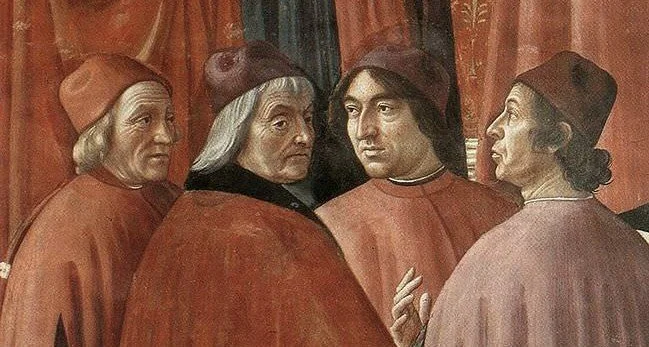
Fig.2 Verschijning van de Engel aan Zacharias (D. Ghirlandaio, Cappella Tornabuoni, Santa Maria Novella).
Landino, die als de spirituele leider van de Neoplatonische Academie kan beschouwd worden, heeft zijn leerstoel die hij gekregen had in 1458 behouden tot in 1497 en heeft zich dan zelf op hoge leeftijd vrijwillig teruggetrokken op zijn landgoed in de Casentino.
Dat de docenten nochtans niet altijd even volgzaam waren blijkt uit de academische openingsrede die Marcello di Virgilio Adriani mocht houden in oktober 1497 (zie fig.3). Hij was een leerling van Landino en sedert december 1494 professor in Latijnse en Griekse poetica en eloquentia aan de Studio Fiorentino in opvolging van de plots overleden Agnolo Poliziano (zie art. Was Giovanni Pico della Mirandola het slachtoffer van syfilis of van moord?).
In zijn speech voerde hij aan dat het de maiores (de antieke staatslieden en filosofen) waren die een voorbeeld moesten zijn voor de nieuwe republiek, terwijl Savonarola vanop de kansel constant verkondigde dat Christus de nieuwe koning van Firenze moest zijn.
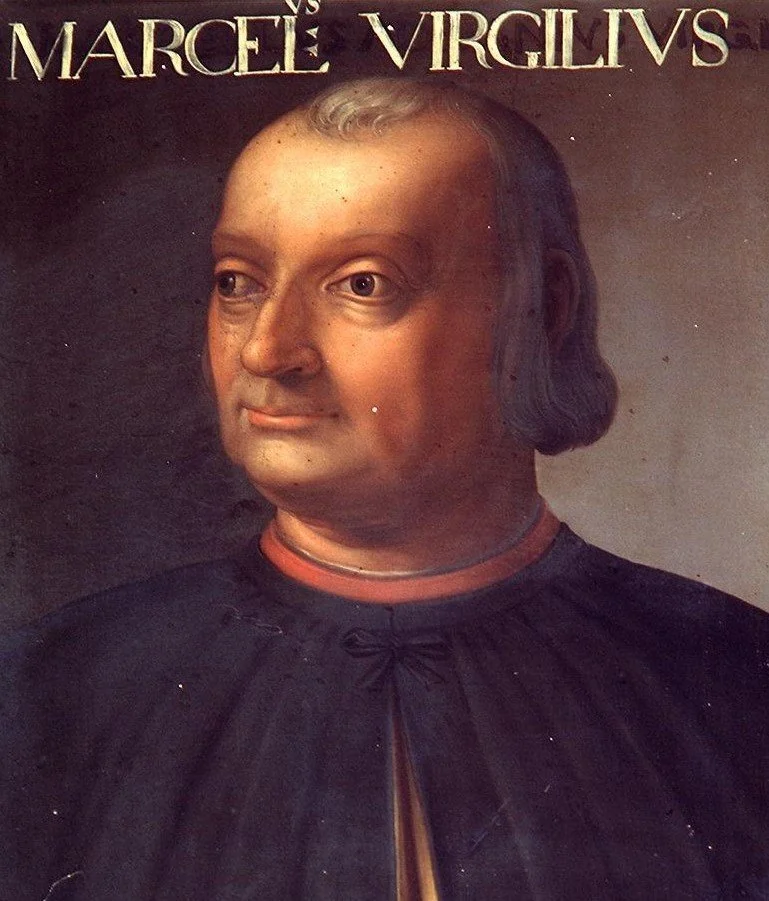
Fig.3 Fig.3 Marcello Adriani (Cristofano dell’Altissimo, ca. 1587, Uffizi).
Adriani was een christelijk gevormde humanist, maar verdedigde de gedachte dat de klassieke literatuur en filosofie een nuttige, zelfs moreel en politiek vormende functie konden hebben. Eén van zijn terugkerende ideeën was dat men bij Livius bijvoorbeeld niet alleen de schoonheid van het Latijn moest bewonderen, maar vooral aandacht moest hebben voor de Romeinse res publica en de virtus (ideeën die achteraf door Machiavelli werden overgenomen). Hij verdedigde het humanisme als een nuttig instrument voor de vorming van burgers en bestuurders die een voorbeeld nam aan de oude republikeinse traditie en die ook niets te maken had met het Medici-regime. Het civiele humanisme werd belangrijker dan het neoplatonische contemplatieve en esthetische humanisme van mensen zoals Marsilio Ficino (zie art. Marsilio Ficino, renaissance filosoof, magiër of ketter?).
Adriani was in een intellectuele strijd met Savonarola terecht gekomen, maar hij was echter verstandig en diplomatisch genoeg om niet rechtstreeks met de frate in aanvaring te komen en die laatste wist ook dat hij er beter aan deed om alom gerespecteerde docenten geen stokken in de wielen te steken. Het is niet geweten of Savonarola aanwezig was bij de speech, Machiavelli was dat zeker wel.
In 1497 was de ster van prior van San Marco al behoorlijk aan het tanen en zijn politieke tegenstanders kregen meer en meer greep op het bewind. Toen het stadsbestuur Adriani in februari 1498 aangesteld had als 1ste kanselier van de stad (in opvolging van Bartolommeo della Scala) bleef hij zijn lesopdracht combineren met zijn nieuwe functie. Marcello was (als doctor in de rechten) in 1494 begonnen in Prato met een schamele wedde van 50 fl. die in 1497 verdubbeld werd. Dat was voor een docent met zijn reputatie niet erg veel en met de verloning van het kanselierschap (200 à 300 fl.) kon hij zijn inkomen behoorlijk verhogen. Op het einde van zijn loopbaan (hij is tot in 1503 blijven doceren) ontving hij ca. 250 fl.
Men kan Adriani geen echte vijand van Savonarola noemen, hij was het niet altijd met hem eens, maar de ironie van het lot zorgde er voor dat hij als kanselier enkele maanden later (in mei 1498) het doodvonnis van de boeteprediker moest ondertekenen. Zijn aanstelling tot 1ste kanselier had ook de weg vrijgemaakt voor zijn assistent en leerling Niccolò Machiavelli die gepromoveerd werd tot 2de kanselier van de republiek en die daarvoor 120 fl. ontving. Als kanselier werd Adriani na zijn overlijden in 1521 opgevolgd door Alessio Lapaccini, die nog samen met Francesco Guicciardini van Marcello les gekregen had in Firenze tussen 1498 en 1501.
Een andere docent van Lapaccini was de rechtsgeleerde Filippo Decio. Die had zich beklaagd bij de ufficiali dat zijn loon (dat in 1494 vastgelegd was op 700 fl.), niet regelmatig werd uitbetaald. In 1497 was dat nog altijd niet in orde en toch ging hij nog mee naar Firenze, waar hem nog 550 fl. beloofd werd. In 1501 vertrok hij tenslotte naar Padua en daarna naar Pavia waar hij meer dan het drievoudige verdiende. Terwijl de Milanees Filippo Decio zijn professoraat wilde ten gelde maken, was Adriani eerder de honkvaste Florentijn die zich, zelfs met een bescheiden loon, verbonden voelde met het culturele en politieke leven van zijn vaderstad en niet voor een hoger salaris elders aan de slag wou gaan.
Tijdens de Savonaroliaanse periode werd er in de eerste plaats gezorgd voor een reducering van de financiering van de Studio. Indien men überhaupt van een zuivering van het docentencorps zou kunnen spreken, gebeurde die slechts gedeeltelijk en was dat een gevolg van persoonlijke beslissingen van de betrokken. Er zijn geen voorbeelden bekend van docenten die onder druk van de frate hun lesinhouden zouden aangepast hebben. Waarschijnlijk hebben de meesten ervoor gezorgd dat zij in hun cursus, voor zover dat nodig was, geen aanstoot gaven aan het religieuze gedachtengoed van Savonarola.
Dat Castellani en Arduini in hun lessen meer de nadruk gingen leggen op de christelijke moraal was ook een gevolg van het feit dat zij zich (uit vrije wil) geprofileerd hadden als echte piagnoni (volgelingen) van de frate.
Savonarola heeft dus wel degelijk invloed gehad op de onderwijsinhouden, maar dat is op een indirecte wijze gebeurd en van echte censuur was geen sprake. Het behandelen van klassieke auteurs (zoals Ovidius, Catullus en Martialis die nogal erotisch getint waren) in de lessen was niet verboden en ook het bespreken van de filosofie van Plato en Aristoteles werd niet geschrapt uit het curriculum, maar iedereen wist wat Savonarola daar van vond.
Nochtans konden tijdens zijn bewind de humanisten blijven publiceren. Een bekend voorbeeld is de Apologia contra vituperatores civitatis Florentiae van Bartolommeo della Scaka die in 1496 in Firenze gedrukt werd. Daarin verdedigde hij de nieuwe republikeinse politieke orde van Florence (tegen de critici) en gebruikte hij humanistische argumenten en voorbeelden uit de klassieke oudheid, maar zijn boek was dus, net zoals de speech van Adriani, geen rechtstreekse aanval op Savonarola. Della Scala was geen docent aan de Studio, maar had er wel gestudeerd en was in 1465, met de steun van Lorenzo de’ Medici, 1ste kanselier van de Florentijnse republiek geworden.
Savonarola had voorlopig meer belangstelling voor de politieke en morele hervorming van zijn stad dan voor het educatieve programma van de humanisten. Langs politieke weg kon hij zijn religieuze ideeën ook sneller doorvoeren. Zijn focus lag dus niet direct op het universitair gebeuren, want dat was voorbehouden aan de elite en die elite deed hem te veel denken aan de Medici. Bovendien kwam de wetenschappelijke kennis al te vaak in conflict met het geloof en daar werd door een fundamentalist niet van afgeweken. Hoger onderwijs kon zich volgens de frate dus best beperken tot de studie van de theologie.
Men kan zich bij dit alles natuurlijk de vraag stellen wat er met de Studio en het intellectuele leven in Firenze zou gebeurd zijn indien hij niet op 23 mei 1498 was terechtgesteld, maar bijvoorbeeld nog 20 jaar aan de macht zou gebleven zijn.
Bij het begin van het Cinquecento keerden de rust en de stabiliteit terug en dat had ook zijn weerslag op het universitair gebeuren. Tijdens het gonfalonaat van Piero Soderini trok de Studio Fiorentino weer studenten en lesgevers aan. De studenten kregen weer meer vrijheid en de docenten werden regelmatig en beter betaald, weliswaar nog altijd in fiorini di studio die 20% minder waard waren dan de fiorini d’oro. De medicus Lorenzo Lorenzi, die reeds van in 1495 verbonden was aan de Studio kreeg voor het academiejaar 1500/1501 een riante jaarwedde van 500 fl.
Van een geplande terugkeer naar Pisa kon er slechts sprake zijn na een herovering van de stad door de Florentijnen. Dat gebeurde pas in 1509 en men kon pas in 1515, na de terugkeer van de Medici, opnieuw van start gaan. Net zoals in 1473 bleven de humanistische disciplines in Firenze. Maar een echt groot succes is het niet geworden, daarvoor moest er gewacht worden tot in 1543 toen hertog Cosimo I de zaak in handen nam.
Besluit:
Tijdens het bewind van Savonarola kende het intellectuele leven in Firenze een periode van sterke religieuze en morele heroriëntatie. Inzake onderwijs hechtte de boeteprediker vooral belang aan de studie van de theologie, maar hij had de Studio Fiorentino niet gesloten en de studia humanitatis kon in beperkte mate blijven functioneren. Zolang de humanistische studie niet in strijd kwam met de christelijke moraal en het geloof was dat voor Savonarola geen ernstig fundamenteel probleem. Dat maakte het voor enkele humanisten mogelijk om hun gedachtegoed te blijven verdedigen door in hun lessen nog steeds de nadruk te leggen op de klassieke cultuur en het kritisch denken. Savonarola was het niet eens met hun opvattingen, maar hij heeft hen niet openlijk als groep vervolgd of gecensureerd. Hun maatschappelijke status en reputatie zullen daarbij ongetwijfeld ook een rol gespeeld hebben.
(1) In het Italiaans is lo studio een school waar men kan gaan studeren (dus ook een universiteit) en mag niet verward worden met lo studiolo, dat bureau of kleine ruimte betekent. De studiolo (de cel) van Savonarola bevindt zich in het klooster van San Marco. Een andere bekende studiolo in Firenze is het rijkelijk versierd bureau van Francesco I de’ Medici in het Palazzo Vecchio.
JVL
Girolamo Savonarola and the humanists of the Studio Fiorentino
In November 1494, the Dominican and penitential preacher Girolamo Savonarola, who was already the spiritual leader of the city for several years, had also gained political power in Florence. The Medici had fled when the troops of the French king Charles VIII had occupied Pisa and the Pisans had taken the opportunity to revolt against the Florentines.
So disastrous times began for the Studio Pisano, which had been revived in 1473 by Lorenzo de' Medici, and even the Studio Fiorentino (1) was only running at a low speed (see art. How the Studio Fiorentino grew into a fully qualified university).
Although Savonarola had to deal with the state structure in the early years of his reign, he did not remain completely indifferent to the state of the university and he certainly intended, albeit perhaps indirectly, to bend the Florentine education process to his will. However it is incorrect to pretend that he immediately had the entire curriculum of the university changed and that he fired professors en masse.
The first problem that had to be tackled was the lamentable state of urban (and therefore also university) finances.. After the change of power, Savonarola immediately had the Ufficiali dello Studio (the administrators of the university who had to take care of the organization of the institution) replaced. The new committee, which had been elected by the Great Council and took office on December 10, 1494, was composed of 5 notables and supporters of the frate; Domenico Bonsi, Giovanni Nesi, Lorenzo Lenzi, Guidantonio Vespucci and Amerigo Corsini.
They appointed Antonio di ser Francesco as their notary in place of ser Giovanni di Bartolommeo Guidi, who was arrested for his close ties with Piero de' Medici, expelled in November 1494 together with his brothers.
The first measure of the ufficiali was to move in March 1495 the teachers and students because of the insecurity from rebellious Pisa to Prato where a kind of emergency university was founded with 3 faculties: law, medicine & philosophy and humanities (classical languages). In the autumn of 1497 followed the complete transfer to Florence and the Studio Pisano and the Studio Fiorentino (or what remained of both) were reunited.
In November 1493, a total of ca. 300 students were registered in Pisa. Probably only a part of them (mainly law and medicine students) presented themselves in Prato in November 1495. Certainly not all of them came from Prato to Florence in November 1497 where they joined the local students (of the humanities). There is no matricola (list of registrations) known from the academic year 1497/98, but the Studio Fiorentino was not closed as one often reads. According to Armando Verde, there were 40 to 45 lecturers and lecturers available for a few 100 students at the beginning of the 1500s.
Already by the end of 1494 (after the Pisa revolt) some professors had moved to other universities and only a handful of teachers made the transfer to Prato. Among them were the physician Lorenzo Lorenzi, the philosopher Oliviero Arduini, and the lawyers Filippo Decio and Bartolommeo Sozzini.
Sozzini, appointed by il Magnifico himself, was one of the few professors who was no longer paid. He was known as an addicted gambler and was accused of taking sides with the rebels during the Pisan uprising. When he realized that he could forget his annual salary of more than 1,000 fiorini d'oro , he moved to Bologna as early as 1496 and then to Padua. His chair was taken over by a number of young lawyers who were willing to come and teach for an annual salary of 30 to 50 fl. That was also the budget that a working-class family could live on in those days.
Such astronomical wages had to be curtailed and all salaries were frozen or reduced and the ufficiali also decided to introduce the decime (the tithes), whereby part of the teacher's salary was withheld and went directly to the poor relief or the university treasury.
With the outbreak of the plague in Prato in the spring of 1497, it was decided in September, after long palaver, to return to Florence for good and while many students dropped out again, most teachers were willing to make the transfer. Almost all of them were Florentines who had a contract with the city council. If they did not return, there was a chance that they would be considered traitors (Medici supporters) and risk the confiscation of their possessions. Moving to Bologna and Padua was also not an obvious choice, because all the chairs there were already occupied by top teachers.
So there was not much else to do than to continue teaching, even with a drastic reduction in their salary. Some also did so because they did not want to abandon their students and considered it their intellectual duty. However, no one was in a hurry to make the trip because in Florence the plague (which had blown over from Prato) had only just been contained when the academic year had to start in November.
The teachers who had come over from Prato (including the lawyers Filippo Decio, Antonio de' Rossi, Castellano Castellani and Jacopo Modesti, as well as the physician Francesco Buonamici the Elder and the philosophers/logists Oliviero Arduini and Piero di Antonio Dini) joined in Florence the humanists (including Cristoforo Landino, teacher of Latin and Italian literature and Marcello Adriani, teacher of poetry and rhetoric) who were still attached to the Studio Fiorentino.
Lessons were given in the monasteries of San Marco and San Lorenzo and in the (then still unfinished) building of the Sapienza (which now houses the Istituto Geografico Militare ).
Financial and organizational measures were most urgent, but Savonarola had also his ideas related to the content of the university education. The focus could be placed primarily on functional courses, such as civil law (to shape the new republic) but had to remain subject to Christian morality.
Fra Girolamo was also convinced that the intellectual culture of Florence was too much influenced by pagan, classical and humanist ideas and was too little focused on the Christian faith. His aim was thus to strengthen the study of theology and Christian philosophy, to bring education more into line with Christian morality, to reduce the influence of certain classical texts and ideas that he considered immoral or ungodly, and to educate students and scholars to use their knowledge in the service of the Christian faith and the reform of society. Savonarola saw Florence not only as a political city, but as a kind of Christian community that had to live according to God's laws again. It was therefore no coincidence that the Collegio Teologico, which was not a part of the Studio, had its peak years under his reign and sometimes had up to 250 students.
Savonarola had graduated in 1473 as a magister in the liberal arts (logic, philosophy and classical letters) at the University of Ferrara and had received a theological education with the Dominicans in Bologna in 1475. When he was sent to the monastery of San Marco in Florence in 1483, he was functioning there as lector theology. In 1490 he became prior (see art. Fra Girolamo Savonarola, impostor, tyrant, reformer, martyr or saint?).
Girolamo had his problems with the ideas of Neoplatonism, but that he would have dismissed Marsilio Ficino (philosophy), Demetrius Chalcondylas (Greek) and Cristoforo Landino (rhetoric and poetry) is not in line with the truth.
Marsilio Ficino was only a lecturer at the Studio for a short time in 1466 and could therefore hardly have been fired by the frate.
It is known that Demetrius "the Greek", who had succeeded his well-known predecessor Giovanni Argiropulo, went to Milan as early as 1491 at the invitation of Lodovico Sforza, but that he was only removed from the Studio's administration in October 1497 .
Together with Ficino, Landino and Poliziano, he is present (on the far right) in the fresco depicting the Apparition of the Angel to Zacharias in the Cappella Tornabuoni (see fig.2).
Landino, who can be considered the spiritual leader of the Neoplatonic Academy, kept his chair in 1458 until 1497 and then voluntarily retired to his estate in the Casentino at an advanced age.
That not all teachers were docile is evident from the academic opening speech that Marcello di Virgilio Adriani was allowed to give in October 1497 (see fig.3). He was a pupil of Landino and since December 1494 professor of Latin and Greek poetica and eloquentia at the Studio Fiorentino in succession to the suddenly deceased Agnolo Poliziano (see art. Was Giovanni Pico della Mirandola the victim of syphilis or murder?).
In his opening speech, he argued that it was the maiores (the ancient statesmen and philosophers) who were to be an example for the new republic, while Savonarola constantly proclaimed from the pulpit that Christ should be the new king of Florence. Adriani was a Christian-educated humanist, but defended the concept that classical literature and philosophy could have a practical, even morally and politically formative function. One of his recuring ideas was that in Livy, for example, one should not only admire the beauty of Latin, but should pay particular attention to the Roman res publica and virtus, a vision that later was adopted by Machiavelli. He presented humanism as a useful tool for the education of citizens and administrators that took an example from the old republican tradition and that had nothing to do with the Medici regime. Civil humanism became increasingly more important than the Neoplatonic, contemplative and aesthetic humanism of people such as Marsilio Ficino (see art. Marsilio Ficino, Renaissance philosopher, magician or heretic?).
Adriani had ended up in an intellectual battle with Savonarola, but he was wise and diplomatic enough to avoid a direct conflict with the frate who knew that he would do better not to throw a spanner in the works of a widely respected teacher. It is not known whether Savonarola was present at the speech, Machiavelli certainly was.
In 1497 the star of the prior of San Marco was already waning and his political opponents were gaining more and more control over the government. When the city council appointed Adriani as 1st chancellor in February 1498 (in succession to Bartolommeo della Scala) he combined his teaching activities with his new position.
Marcello had started (as a doctor of law) in Prato in 1494 with a meagre salary of 50 fl. which was doubled in 1497. That was not a huge amount for a teacher of his reputation and with the remuneration of the chancellorship (200 to 300 fl.) he was able to increase his income considerably. At the end of his career (he continued to teach until 1503) he received about 250 fl
Adriani cannot be called a real enemy of the frate, he did not always agree with him, but the irony of fate ensured that, being chancellor of the republic, he had to sign Savonarola's death warrant a few months later (May 1498). His appointment as 1st chancellor had also paved the way for his assistant and pupil Niccolò Machiavelli who was promoted to 2nd chancellor of the republic and received 120 fl. for it.
When he died in 1521 Adriani was succeeded by Alessio Lapaccini who had been, together with Francesco Guicciardini, his student in Florence between 1498 and 1501.
Another of Lapaccini’s lecturers was the lawyer Filippo Decio, who complained to the ufficiali that his salary (which in 1494 was set at 700 fl.), was not paid regularly. In 1497 this was still not in order but nevertheless he made the transfer from Prato to Florence, where he was promised 550 fl. In 1501 he finally left for Padua and then to Pavia where he earned more than three times as much.
While the Milanese Filippo Decio wanted to cash in on his professorship, Adriani was more of a home-bound Florentine who, even with a modest salary, felt connected to the cultural and political life of his hometown and did not want to teach elsewhere for a higher wage.
During Savonarola's reign reducing the financing of the Studio came first. If one could speak at all of a purge of the teaching staff, it was only partial and mostly the result of personal decisions.
There are no known cases of teachers who would have adjusted their lesson content under pressure from the frate. Most of them probably made sure that they did not clash with Savonarola's religious ideas.
The fact that Castellani and Arduini started to put more emphasis on Christian morality in their lessons was also a result of the fact that they had profiled themselves (of their own free will) as real piagnoni (followers) of the frate.
Savonarola did indeed have an influence on the educational content but it was done indirectly and there was no question of real censorship. Treating classical authors (such as Ovid, Catullus and Martialis who were rather erotically tinted) was not forbidden in class and discussing the philosophy of Plato and Aristotle was not removed from the curriculum, but people knew what Savonarola thought of all this.
Nevertheless humanists could continue to publish under his rule. A well-known example is the Apologia contra vituperatores civitatis Florentiae by Bartolommeo della Scala, printed in 1496. In it, he defended Florence’s new republican political order (against the critics) and used humanist arguments and examples from classical antiquity. His book, like Adriani’s speech, was therefore not a real attack on Savonarola. Della Scala was not attached to the Studio, but had studied there and had become, with the support of Lorenzo d’ Medici, 1st chancellor of the Florentine republic in 1465.
For the time being Savonarola was more interested in the political and moral reform of his city than in the educational program of the humanists. It was easier to implement his religious ideas more quickly through political means. His focus was not directly on the university scene, because that was reserved for the elite and that elite reminded him too much of the Medici. Moreover, scientific knowledge all too often came into conflict with faith and a fundamentalist did not let that distract him. According to the frate, higher education could therefore best be limited to the study of theology.
In all this one can of course ask the question in what direction intellectual life and the Studio would have evolved if Savonarola had not been executed on May 23, 1498, but had remained in power for another 20 years.
At the beginning of the Cinquecento, peace and stability returned and that also had an impact on the academic life. During Piero Soderini's gonfalonate, the Studio Fiorentino re-attracted students and teachers. The students obtained more freedom and the teachers were regularly and better paid, although still in fiorini di studio which were worth 20% less than the fiorini d'oro. The physician Lorenzo Lorenzi, who had been attached to the Studio since 1495, received now a generous annual salary of 500 fl.
A planned return to Pisa could only be realized after a reconquest of the city by the Florentines. This did not happen until 1509 and it was not until 1515, after the return of the Medici, that the Studio could start again. Just as in 1473, the humanist disciplines remained in Florence. But it did not become a great success, for which one had to wait until 1543 when Duke Cosimo I took charge.
Conclusion:
During Savonarola’s reign, intellectual life in Florence experienced a period of strong religious and moral reorientation. In terms of education, the penitential friar attached particular importance to the study of theology, but he had not closed the Studio Fiorentino and the studia humanitatis could continue to function to a limited extent. As long as the humanist study did not conflict with Christian morality and faith, this was not a serious fundamental problem for Savonarola.
That made it possible for some humanists to keep on defending their principles by still emphasizing classical culture and critical thinking in their lessons. Savonarola disagreed with their ideas but he did not openly persecute or censor them as a group. Their social status and reputation will undoubtedly have played a role in this.
(1) In Italian, the word lo studio means a school where one can go to study (including a university) and should not be confused with the word lo studiolo, which means bureau or small space. The studiolo (the cell) of Savonarola is located in the monastery of San Marco. Another well-known studiolo in Florence is the richly decorated office of Francesco I de' Medici in the Palazzo Vecchio.
Literatuur:
Arrighi, V. Lapaccini, Alessio. In: Dizionario Biografico, vol.63 (2004).
Davies, J. Culture and Power. Tuscany and its Universities. Cambridge, 2009.
Fabbri, L. Un esilio in patria: Lo Studio Fiorentino durante la Guerra di Pisa.
In: Studium Fiorentinum. Rome, 2021.
Grendel, R. The Universities of the Italian Renaissance. Baltimore, 2004.
Mazzacane, A. Decio, Filippo. In: Dizionario Biografico, vol.33 (1987).
Miccoli, G. Adriani, Marcello Virgilio. In: Dizionario Biografico, vol.1 (1960).
Palumbo, M. Lorenzi, Lorenzo. In: Dizionario Biografico, vol.66 (2006).
Van Laerhoven, J. zie art. Fra Girolamo Savonarola, bedrieger, tiran, hervormer, martelaar of
heilige?
zie art. Hoe de Studio Fiorentino uitgroeide tot een volwaardige universiteit.
zie art. Marsilio Ficino, renaissance filosoof, magiër of ketter (1433-99)?
zie art. Lo Studio Fiorentino en de Medici.
zie art. Was Giovanni Pico della Mirandola het slachtoffer van syfilis of van
moord?
Varanini, G. Della Scala, Bartolomeo. In: Dizionario Biografico, vol.37 (1989).
Verde, A. Lo Studio Fiorentino (1473-1503). Firenze, 5 volumes, 1973 e.v.